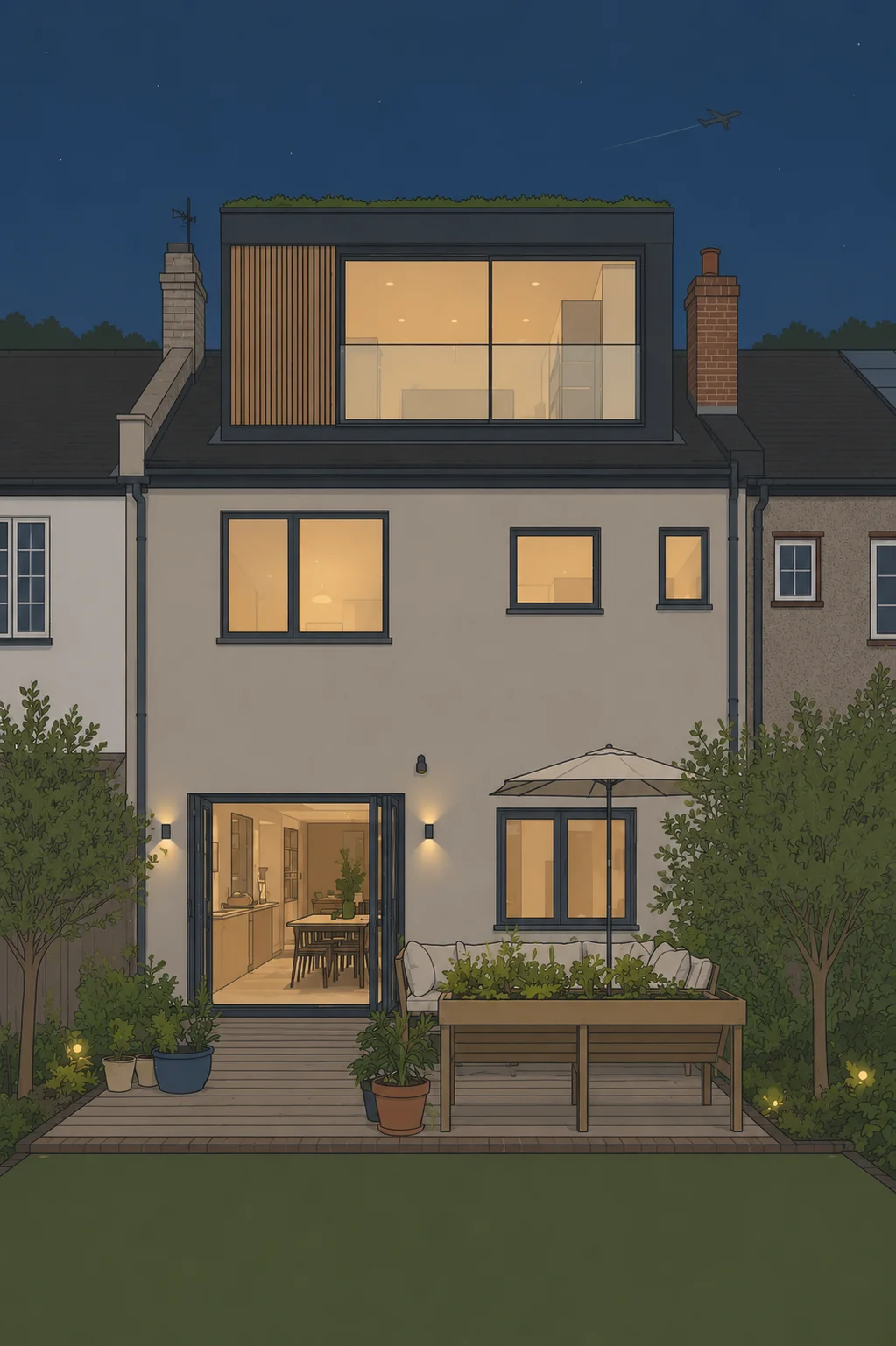
Loft Conversions · London

Loft Conversion
Architects London

Mansard conversions, rear dormers, and loft extensions across London — architecturally designed and fully managed from planning application through to building regulations and handover.

Begin a Conversation
Loft conversion architects London — Kingston mansard by Rosace Studio

Loft Conversion Types

The right type of conversion for your home

Every loft conversion starts with understanding your property — its roof structure, floor-to-ridge height, and planning context. Rosace advises on the most appropriate conversion type for your home and budget from the outset.

01

Mansard Conversion

Replaces the existing roof with near-vertical rear walls and a flat top, maximising floor area and ceiling height. The most spacious conversion type — ideal for terraced and semi-detached houses. Always requires planning permission.

02

Rear Dormer

A box-like extension projecting from the rear roof slope, creating a full-height room within the existing roof space. Often falls under Permitted Development, making it faster and simpler to deliver. The most common London loft conversion type.

03

Hip-to-Gable

Converts the sloping hip end of a roof into a vertical gable, increasing the usable floor area significantly. Often combined with a rear dormer. Common on detached and end-of-terrace properties in south-west London and Surrey.

04

Velux / Rooflight

The simplest conversion — installing roof windows into the existing structure without changing the roof profile. Lowest cost and fastest delivery, ideal where existing headroom is already sufficient. Usually permitted development.

Recent Loft Projects

Loft conversions completed across London

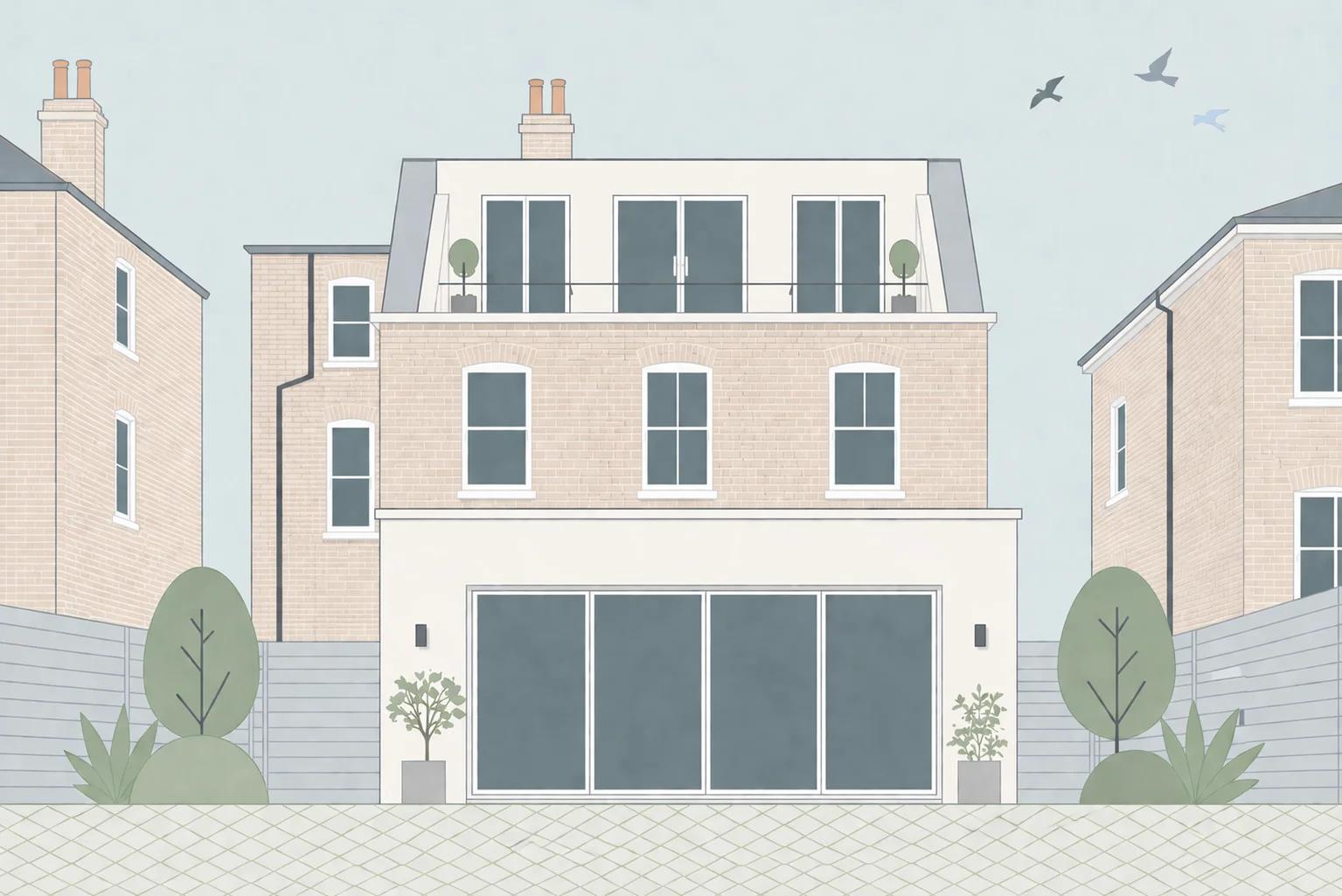
Kingston mansard loft conversion
Kingston loft extension
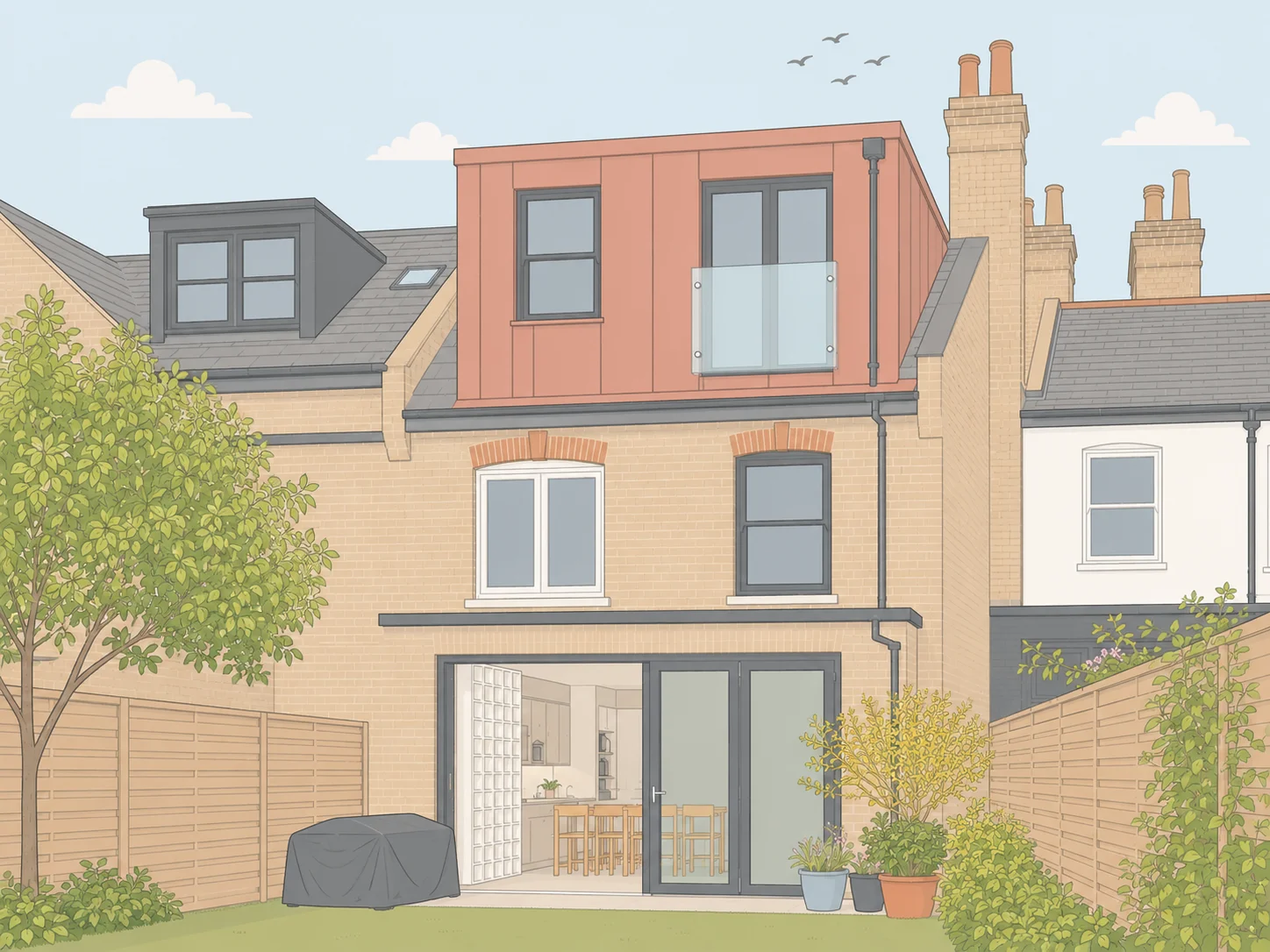
Wandsworth dormer loft conversion
View all loft projects

Common Questions

Loft conversions in London — answered

What is the difference between a mansard and a dormer loft conversion? +
A mansard replaces the entire roof structure with steeply pitched sides and a flat top, maximising floor area and headroom. A dormer is a box-like extension projecting from the existing roof slope — simpler and often cheaper, but adding less space. Mansards typically require planning permission; dormers often fall under permitted development.
Do loft conversions need planning permission in London? +
Many dormer loft conversions fall under Permitted Development rights, meaning no planning application is required. Mansard conversions, conversions on listed buildings, and those in conservation areas always require full planning permission. Rosace assesses your PD eligibility at the first meeting.
How much floor area does a loft conversion add? +
A typical dormer loft conversion adds 20–35 sqm of usable floor area. A full mansard conversion can add 40–60 sqm, depending on the footprint of the house. This generally accommodates a master bedroom with en-suite, or two bedrooms and a bathroom.
How long does a loft conversion take? +
A permitted development dormer typically takes 10–14 months from instruction to completion: 2–3 months for design and building regulations, and 3–4 months for construction. A mansard requiring planning permission adds 3–4 months to the timeline.
Start Your Project

Thinking about a loft conversion?

We'll assess your roof, explain your options, and outline the realistic cost and timeline — with no obligation.

Request a Consultation