For SME developers

Small Residential
Development Schemes

Schemes of two to nine homes sit in an awkward gap. Too small for the practices geared to strategic land, too complex for a studio that mainly does extensions. That gap is where we work, and it is where the design-and-build model earns its keep.

Request a site appraisal
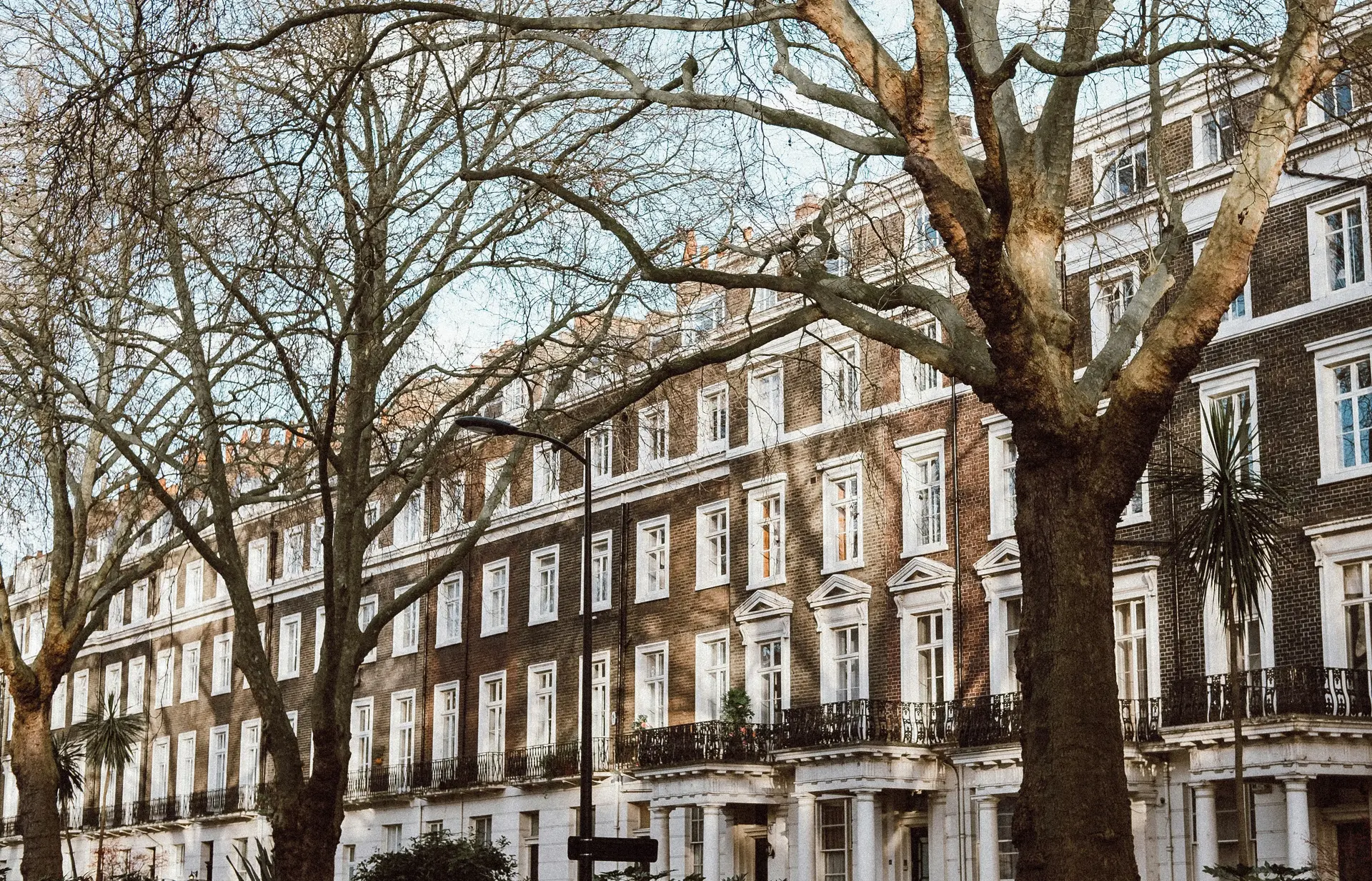
Small residential development scheme of new build homes

The gap

Small schemes carry disproportionate risk

On a scheme of two to nine units, a single refused application or a six month delay is not absorbed the way it would be on a hundred unit site. There is no other phase to carry the overhead. Programme slip goes straight to the return.

The other structural problem is coordination. On a small scheme the developer usually appoints a designer, then tenders to contractors, then spends the build adjudicating between them. Every variation is a negotiation and the developer is the one in the middle of it.

We take small schemes from appraisal through planning and technical design to construction under a single contract, which removes that gap entirely.

What we do

Appraisal through to handover

Every scheme starts with an appraisal, because the number that matters, achievable unit count, has to be right before anything else is worth doing.

From there the work runs continuously rather than being handed between parties.

  • Site appraisal, unit capacity and planning risk
  • Planning strategy and pre-application engagement
  • Full planning application and supporting statements
  • Technical design and building regulations
  • Structural engineering coordination
  • Construction delivery under a single contract
  • Handover documentation and warranty coordination

Before you bid

Check the site constraints first

Enter a site postcode and we check it against the national planning dataset for conservation areas, Article 4 directions, listed status, green belt and flood risk. Free, and it takes under a minute.

Check a site

Scheme types

The sites this suits

Small residential schemes come from a limited number of site types. Backland and infill plots, where a garden or yard behind a frontage takes two to four homes. Subdivision of a large plot, where an existing house has land beside or behind it.

House to flats conversions, which typically yield three to six units. Class MA commercial conversions, where a Class E building becomes residential through prior approval. And redundant sites such as garage blocks, workshops and former yards.

Each has a different planning route and a different risk profile, which is why the appraisal comes first.

Biodiversity Net Gain

A recent change that matters at this scale

From 6 August 2026 a new exemption applies to non-major sites of 0.2 hectares or smaller, provided the development does not affect priority habitat. Sites meeting that test fall outside the Biodiversity Net Gain regime entirely.

For non-major development the on-site-first hierarchy no longer applies either, so the requirement can be met through off-site units without first demonstrating that on-site enhancement is unachievable. Separately, the self and custom build exemption was removed from 31 July 2026.

Site area is therefore worth establishing precisely and early. The difference between 0.19 and 0.21 hectares now changes the regime you are in. Where priority habitat is present the exemptions do not apply regardless of size.
Viability

Where small schemes lose money

Three things account for most of it. Optimistic unit count at bid stage, where a scheme is modelled on a number planning will never approve. Undiscovered constraints, meaning an Article 4 direction, a flood zone or a listed neighbour that was not checked before purchase. And programme slip, where a refusal and resubmission adds six months of finance cost to a scheme that had no slack.

All three are addressable before you buy. That is the entire argument for appraising first, and on a small scheme it is a stronger argument than on a large one because there is less margin to absorb a mistake.

Working with us

Design and build under one contract

Rosace Design Studio is an architectural design and build studio. Our design lead holds a BA (Hons) in Architecture from a UK university, and we deliver design, planning and construction as one team.

On a small scheme that means one point of accountability rather than a designer and a contractor pointing at each other. A site appraisal from £1,000 is where it starts.

Site Feasibility Appraisal

Know whether the site works, from £1,000

Unit capacity, planning strategy, constraint mitigation and an indicative programme to determination. Delivered in 10 working days. The fee is credited against our fees if you appoint us for the application.

Request a site appraisal

Common Questions

Small development schemes - answered

What size schemes do you work on? +
Two to nine residential units. That covers backland and infill plots, plot subdivision, house to flats conversions, Class MA commercial conversions and redundant sites such as garage blocks and former yards. We do not work on strategic land or large scale housebuilding.
Why does scheme size change the risk profile? +
On a small scheme there is no other phase to absorb a problem. A refused application or a six month delay goes straight to the return, where a hundred unit site would carry it across the programme. That is why establishing planning risk before purchase matters more at this scale, not less.
What is design and build and why does it suit small schemes? +
One contract covering design, planning and construction rather than appointing a designer and then tendering to contractors. On a small scheme it removes the coordination gap where variations and programme slip usually originate, and it means the developer is not adjudicating between two parties during the build.
Does Biodiversity Net Gain apply to my scheme? +
Possibly not. From 6 August 2026 non-major sites of 0.2 hectares or smaller are exempt, provided the development does not affect priority habitat. Site area is therefore worth establishing precisely, because the difference between 0.19 and 0.21 hectares changes the regime. Where priority habitat is present the exemption does not apply regardless of size.
Do you have a development track record? +
We are an architectural design and build studio moving into development work, and we are straightforward about that. Our completed work includes a 450 square metre new build in Cobham and ten residential projects across London. What we bring to a development scheme is planning expertise, design capability and construction delivery under one contract.
How do you price a small scheme? +
It starts with a site appraisal from 1,000 pounds, which establishes unit capacity and planning risk. Design and planning fees are quoted against the confirmed scheme rather than estimated against an assumed one. Construction is priced separately once the technical design is developed.
What most commonly goes wrong on small schemes? +
An optimistic unit count assumed at bid stage that planning will not support, constraints that were never checked before purchase such as an Article 4 direction or a flood zone, and programme slip from a refusal and resubmission. All three are addressable before you buy, which is the case for appraising first.

For SME developers

Working up a small scheme?

Send us the site and what you are modelling. We will tell you whether the unit count stacks up and where the planning risk actually sits, before you commit.

Get in touch